

Heat Illness is a serious medical condition resulting from the body’s inability to cope with a particular heat load and includes heat cramps, heat exhaustion, heat syncope (fainting), and heat stroke. Heat stroke can progress quickly from mild symptoms to a life-threatening situation.
Symptoms and Responses
| Heat Cramps | Heat Exhaustion/ Heat Syncope | Heat Stroke | |
| Symptoms | Heavy sweating; painful cramps | Heavy sweating, cold/ clammy skin, fast/weak pulse, nausea/vomiting, dizziness, headache | High body temp (103°F+), hot/red/dry/damp skin, vomiting, dizziness, losing consciousness, confusion |
| Response | Stop physical activity and move to a cool place. Drink water or a sports drink. Resume physical activity when cramps stop. Get medical help if cramps last more than one hour. | Move to a cool place. Loosen clothing. Put cool, wet cloths on the body. Sip water. Get medical help if vomiting happens, symptoms get worse, or symptoms last more than an hour. | Seek emergency care immediately. Move to a cooler place. Help lower the person’s temperature with cool rags. Do not give the person anything to drink. |
Risk Factors
| Personal Risk Factors | Environmental Risk Factors | Other Factors Affecting Body Heat |
| – Water consumption – Alcohol/caffeine consumption – Degree of acclimatization – Use of prescription medications that affect the body’s water retention or other physiological responses to heat – An individual’s age/health | – Air temperature – Relative humidity – Radiant heat from the sun and other sources – Conductive heat sources such as the ground – Air movement – Workload severity/duration – Protective clothing and PPE worn by employees | – Exertion – Heat build-up inside the body from physical work activities is the major source of heat load. – Clothing – Wearing inappropriate work clothing (e.g., dark colored or tight-fitting clothing), can increase the risk of heat illness. – PPE – The more the body is covered with materials which limit cooling, the |
Heat Illness Prevention Strategies
- Drink small quantities of water frequently.
- Drink up to 4 cups (32 oz.) of water per hour when the weather is hot and you are sweating.
- Take a 5-minute cool-down break in the shade if you feel yourself overheating.
- Acclimatization is the concept of “getting used to” the heat.
- Inform your supervisor if you have not previously been working in an outdoor environment.
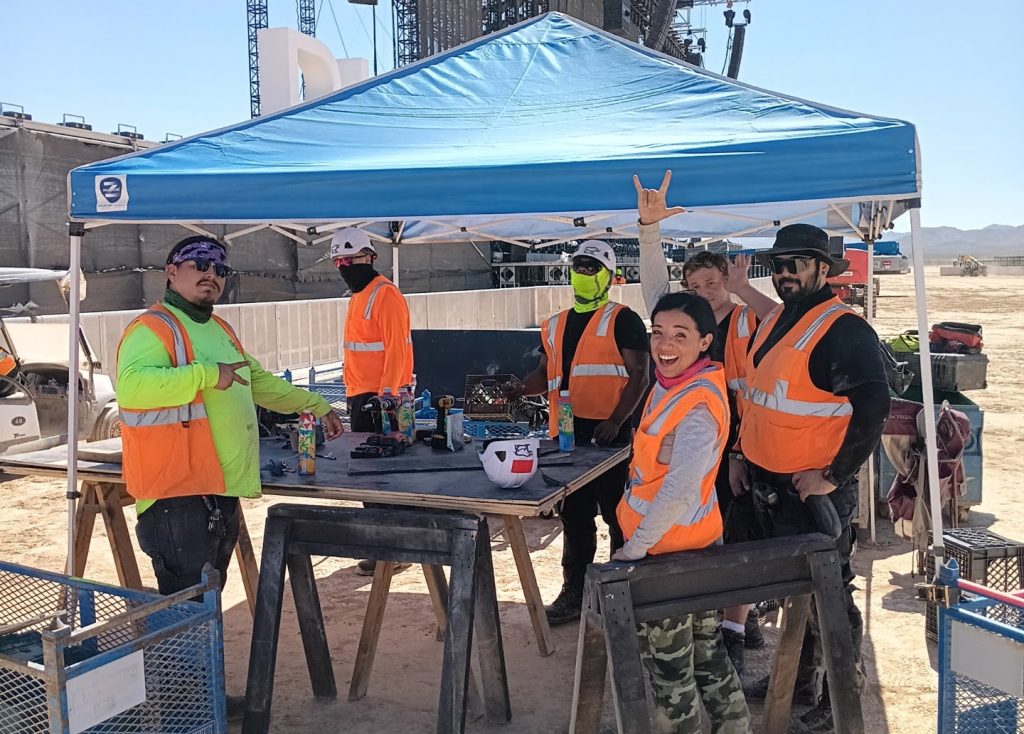
Important Points
- You have a right to access water, shade, cool-down breaks, and first aid.
- Your supervisor will provide instructions on heat illness first aid and emergency response before each job.
- Tell your supervisor immediately if you see signs of heat illness in yourself or a co-worker!
Read more Rhino heat safety related information at the links below.
- Successful Rescue Saves Overheated Rhino Staging Rigger
- Scorching Phoenix Heat Melts Down Plastic Pallets, Creates Urgent Hazard
Find more information on Heat Illness Prevention on the OSHA website.